
How to Encourage Healthy Eating in Young Kids: Practical Tips for Lasting Habits
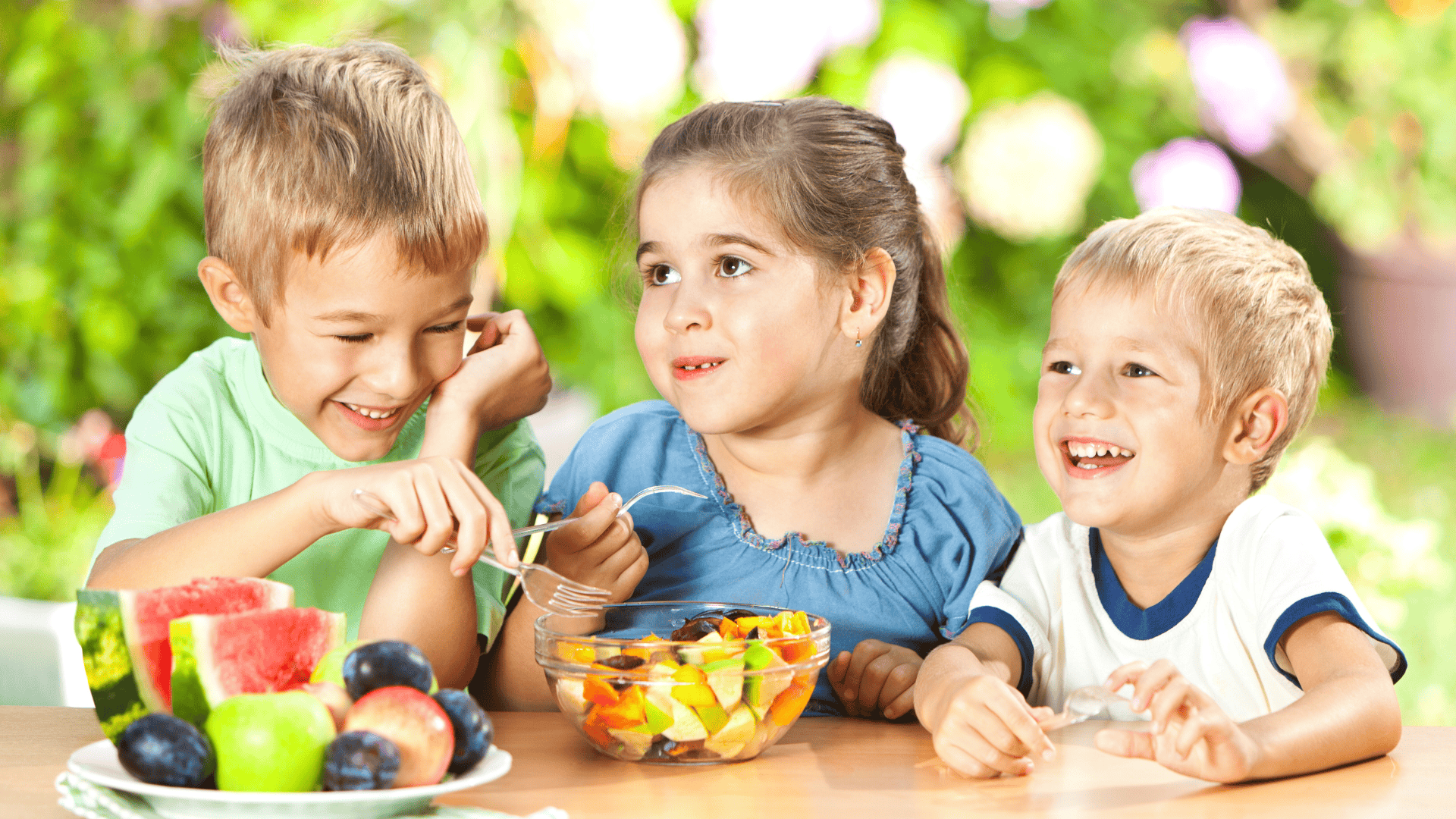
Encouraging healthy eating in young kids starts with creating positive habits early on. Offering a variety of colourful, nutritious foods and involving children in meal choices helps build their interest in healthier options. This approach makes it easier for children to accept and enjoy balanced meals.
Consistency and patience are essential, as children may resist new foods at first. Parents and caregivers who model healthy eating and avoid pressuring children tend to see better long-term results. Understanding these key strategies can make a significant difference in shaping a child’s relationship with food.
Key Steps to Encourage Healthy Eating in Young Kids
Encouraging healthy eating in children requires a focused approach that includes variety, a positive setting, and balance. Each part plays a vital role in building lifelong habits that support good health and growth.
Offering a Variety of Healthy Foods
Introducing a wide range of healthy foods helps children develop a taste for different flavours and textures. Parents are encouraged to include multiple colours of fruit and vegetables daily, as this ensures a mix of nutrients.
It is effective to serve foods in small, manageable portions to avoid overwhelming the child. Repeated exposure, even if initially rejected, increases acceptance over time. Including whole grains, lean proteins, and dairy alongside vegetables helps build a nutritious plate.
Creating a Positive Eating Environment
A calm and supportive atmosphere during meals influences children’s willingness to try new foods. It is recommended to avoid distractions such as screens and to focus on family mealtimes.
Praise and encouragement should be consistent but not forceful, avoiding pressure or rewards linked to eating. Establishing regular meal and snack times helps regulate appetite and fosters routine. Adults setting a good example by eating healthily also boosts children’s willingness to follow suit.
Promoting a Balanced Diet
A balanced diet means providing the right amounts of all food groups to meet growth and development needs. Parents should aim for meals combining carbohydrates, proteins, fats, and a variety of vitamins and minerals from fruit and vegetables.
Following guidelines from bodies like the NHS, children’s diets should limit sugar and saturated fat. Offering water instead of sugary drinks supports hydration without added calories. A balance of home-cooked meals and occasional treats helps maintain both nutrition and enjoyment.
Role of Parents and Modelling Healthy Habits
Parents have a crucial influence on children’s eating behaviours by showing how to interact with food positively. Practical steps include expressing enjoyment of a variety of foods, sharing meals together, and controlling the availability of sweets and crisps at home.
Demonstrating Positive Attitudes Towards Food
Parents shape children’s food perceptions by openly enjoying fruits, vegetables, and balanced meals. When children see parents choosing healthy options without hesitation, it encourages them to develop a similar positive relationship with food.
Negative comments about certain foods or dieting can create confusion or aversion in children. Instead, parents should focus on praising different colours and textures in meals and explaining the benefits of eating fruit and vegetables. This creates curiosity and a willingness to try new foods.
Eating Meals Together
Regular shared mealtimes allow parents to model portion control and balanced eating. Eating together helps children observe the right quantities of food and encourages polite eating habits.
A structured meal schedule reduces snacking on unhealthy items and promotes eating a variety of foods. Parents can use mealtime to introduce new flavours and demonstrate how to enjoy a healthy meal. This also strengthens family bonds and provides a calm environment for trying foods without pressure.
Managing Sweets and Crisps in the Home
Limiting the availability of sweets and crisps at home supports healthier choices. Parents who keep these snacks out of easy reach reduce children’s temptation and frequency of consumption.
Instead, having a fruit bowl or cut vegetables readily available encourages children to pick healthy snacks. Setting clear rules around when treats are allowed, such as only after meals or on special occasions, helps children understand moderation without feeling deprived. Parents’ consistency in this area is key to forming lasting eating habits.
Engaging Children in Food Preparation and Learning
Getting children involved in food preparation helps them understand the basics of a balanced diet and encourages positive attitudes towards healthy foods. This engagement can include simple cooking tasks, learning about food groups, and turning meal preparation into an enjoyable activity.
Involving Kids in Cooking and Meal Planning
Children can help with age-appropriate cooking tasks like washing vegetables, stirring ingredients, or assembling simple dishes. This involvement gives them a sense of responsibility and pride in what they eat.
Meal planning with kids encourages them to choose a variety of fruits, vegetables, and sources of protein, promoting a balanced diet. Parents might use visual aids, like charts, to show food groups when planning meals together.
Involvement also increases interest in trying new foods since children feel part of the decision-making process. Tasks should be safe and supervised, adjusted according to the child’s age and skill level.
Teaching About Different Food Groups
Explaining the function of food groups helps children grasp why protein, fruit, vegetables, and other foods are necessary. For example, proteins support growth, while fruit and vegetables provide essential vitamins and fibre.
Using simple visuals like colourful plates divided into food groups can make this concept clearer. Parents might also discuss how balanced meals combine these groups to maintain energy and health.
Practical activities, such as sorting foods by group or matching foods to meals, make learning interactive rather than abstract. Emphasising variety reinforces that no single food group meets all nutritional needs.
Making Food Preparation Fun
Turning cooking into a playful experience maintains children’s interest and encourages experimentation with healthy foods. Activities like creating colourful fruit faces or vegetable shapes engage creativity.
Using child-friendly utensils and involving them in age-suitable tasks keeps the process safe and enjoyable. Praise and encouragement help build their confidence and association of cooking with positive feelings.
Games, challenges, or themed meals (e.g., “Rainbow Dinner” featuring colourful vegetables) make the learning process dynamic and memorable. Combining fun with education increases the likelihood that children will develop lasting healthy eating habits.
Practical Strategies and Support for Sustaining Healthy Habits
Consistent, practical steps help maintain healthy eating in young children. Clear actions, combined with support from family and access to trusted resources, make lasting habits achievable.
Introducing Healthy Snacks and Alternatives
Parents should offer healthy snacks like chopped vegetables, fruit bowls, or natural yoghurt instead of processed options. These choices provide vital nutrients and keep children satisfied between meals.
Offering a variety of healthy alternatives helps children develop a taste for different flavours. Replacing sugary drinks with water or diluted fruit juices supports hydration without excess sugar.
Involving children in snack preparation encourages interest in healthy food. For example, letting them arrange cut fruits in a bowl can make snacks more appealing.
Working with the Wider Family and Community
Engagement from grandparents, carers, and friends is crucial in reinforcing healthy eating habits. Consistency across caregivers prevents confusion and mixed messages.
Community settings like schools and local groups can support healthy habits through initiatives such as fruit-based snack programmes and nutrition education. Parents should communicate regularly with these groups to ensure aligned messages.
Families are encouraged to set shared meal times and enjoy food together. Social modelling by adults positively influences children’s willingness to try new, healthy foods.
Accessing Resources and Guidance
Parents can access reliable advice from sources like the NHS website, which offers practical tips and meal ideas for healthy eating. Official guidance helps ensure choices are nutritionally balanced and age-appropriate.
Health professionals, such as dietitians or health visitors, provide tailored support for specific concerns or dietary needs. Early consultation helps address challenges before habits solidify.
Utilising credible online tools, recipe apps, and local workshops enhances knowledge and motivation. Easy access to information makes sustaining healthy eating habits more manageable.