
How to Create a Child-Friendly Garden on a Budget with Simple, Affordable Ideas
Creating a child-friendly garden on a budget is achievable with simple planning and smart choices. It involves using affordable materials and prioritising plants and features that are safe and engaging for children. The key is to focus on low-cost, durable elements that encourage exploration and play without overspending.
By selecting native plants, repurposing household items, and designing open spaces for activities, anyone can develop a garden that suits both kids and the budget. Understanding which features offer long-term value helps avoid unnecessary expenses while maximising fun and safety.
This guide will outline practical steps to build an inviting outdoor space for children without needing a large budget. It shows how thoughtful design and resourcefulness can create a garden where kids enjoy, and parents feel confident in its safety and affordability.
Planning a Child-Friendly Garden on a Budget
Creating a garden tailored for children requires careful consideration of space, costs, and materials. Planning with these factors in mind ensures a safe, functional area without overspending.
Assessing Your Space and Needs
Start by measuring the available garden area and noting existing features. Identify spots with natural shade, flat surfaces, and potential hazards like ponds or sharp edges.
Consider the child’s age when planning activities; toddlers need soft surfaces and enclosed spaces, while older children might prefer climbing or digging areas. Choose locations that offer visibility from the house for supervision.
Map out space usage with zones such as play, seating, and planting. Prioritising multifunctional areas helps maximise limited space. Nearby storage for toys and tools also aids organisation and safety.
Setting a Realistic Budget
Determine the maximum amount to spend by reviewing finances and identifying essential features first. Allocate funds primarily for safety items and durable play structures.
Use a budget template to list costs for materials, plants, tools, and labour. Include a small contingency (around 10%) for unexpected expenses.
Explore free or low-cost options like recycled materials or donated plants. Avoid overspending on ornamental items that don’t add value to the child’s experience.
Selecting Safe and Durable Materials
Choose non-toxic, robust materials like untreated hardwood, rubber mulch, or smooth stone for surfaces and structures. Avoid pressure-treated wood that may contain harmful chemicals.
Soft surfaces such as grass or rubber mats reduce injury risk from falls. Durable plastics or metal components ensure longevity despite rough use.
Check that all edges are rounded and that materials resist weather damage to maintain safety and minimise replacement costs. Using materials requiring little maintenance keeps the garden budget-friendly.
Affordable Features for Fun and Learning
Simple outdoor elements can make a garden engaging while encouraging learning. These features allow children to explore, create, and discover without significant expense.
Creating Zones for Imaginative Play
Dividing the garden into clear zones helps focus activities and nurtures creativity. A corner with a small playhouse or teepee made from inexpensive materials gives children space to role-play.
Using old pallets or crates, a DIY puppet theatre or storytelling nook can be built. Adding soft rugs or cushions increases comfort and invites longer play sessions.
Incorporate natural objects like logs, stones, and sand in one zone for tactile exploration. This encourages children to invent games, developing imagination through free play without costly toys.
Incorporating a Herb Garden
A herb garden introduces children to plant care and sensory learning. Easy-to-grow herbs such as mint, basil, and chives require minimal maintenance and thrive in small containers or window boxes.
Label each herb with simple signs to teach names and uses. Children can touch, smell, and even taste herbs, linking gardening with basic science and cookery skills.
Using recycled pots or DIY planters keeps costs down. Placing the herb garden near play zones encourages regular interaction and responsibility.
Adding Safe Water Features
Water features can be both fun and educational if designed with safety in mind. A shallow basin or water table with a secure cover reduces drowning risks while providing hands-on water play.
Adding funnels, cups, and small floats lets children experiment with flow and buoyancy. Using rainwater or recycled water keeps this feature eco-friendly.
Choosing plastic or stainless steel containers prevents sharp edges. Regular supervision and non-slip surfaces around the feature further ensure safety.
Low-Cost DIY Projects and Upcycling Ideas
Creating a child-friendly garden need not be costly. Many projects use everyday items or simple materials, combining safety with fun. Upcycling and DIY methods help maintain a budget while adding personalised charm.
Homemade Play Equipment
Old tyres can be stacked or painted to create climbing structures or seats. Pallets are versatile for swings or small forts, as they are sturdy and easy to adapt. Using rope, wood, and fabric, simple balance beams or hammocks can be constructed with minimal expense and basic tools.
Safety is vital. Sand down rough edges and secure loose parts tightly. Avoid heavy or sharp materials. Bright, non-toxic paint can refresh older items and make them visually appealing for children.
Budget-Friendly Raised Beds and Planters
Wooden crates, repurposed pallets, and discarded drawers make excellent frames for raised beds. Lining them with plastic helps retain soil and water. These containers can be arranged creatively to fit small spaces and encourage children’s involvement in planting.
Using inexpensive compost and seeds purchased in bulk reduces costs further. Labelled plant markers made from recycled materials introduce a learning element. Raised beds help keep pests away and improve soil quality efficiently.
Crafting Sensory Paths
Sensory paths engage children through touch and movement. Collect a variety of materials like pebbles, bark, sand, and soft fabrics. Glue them onto plywood sections or directly onto garden stepping stones to create different textures.
Arrange these patches in a sequence for walking or hopping. This stimulates balance and tactile exploration. Sensory paths require minimal materials but offer significant developmental benefits at low cost.
Maintenance and Seasonal Care for Family Gardens
A child-friendly garden needs regular attention to stay safe and attractive. Selecting the right plants, involving children in simple garden tasks, and using sustainable methods can reduce time and costs while keeping the garden healthy year-round.
Easy Plant Choices for Children
Choosing plants that are hardy, low-maintenance, and safe is crucial. Fast-growing vegetables like radishes and cherry tomatoes provide quick results that keep children interested.
Herbs such as mint or basil are durable and can be touched without risk. Avoid plants with thorns or toxic berries, such as holly or foxglove, to ensure safety. Perennials like lavender and sunflowers survive multiple seasons, requiring less replanting.
Using pots or raised beds with compost helps manage soil quality in small areas, reducing weeding and watering efforts.
Involving Kids in Garden Tasks
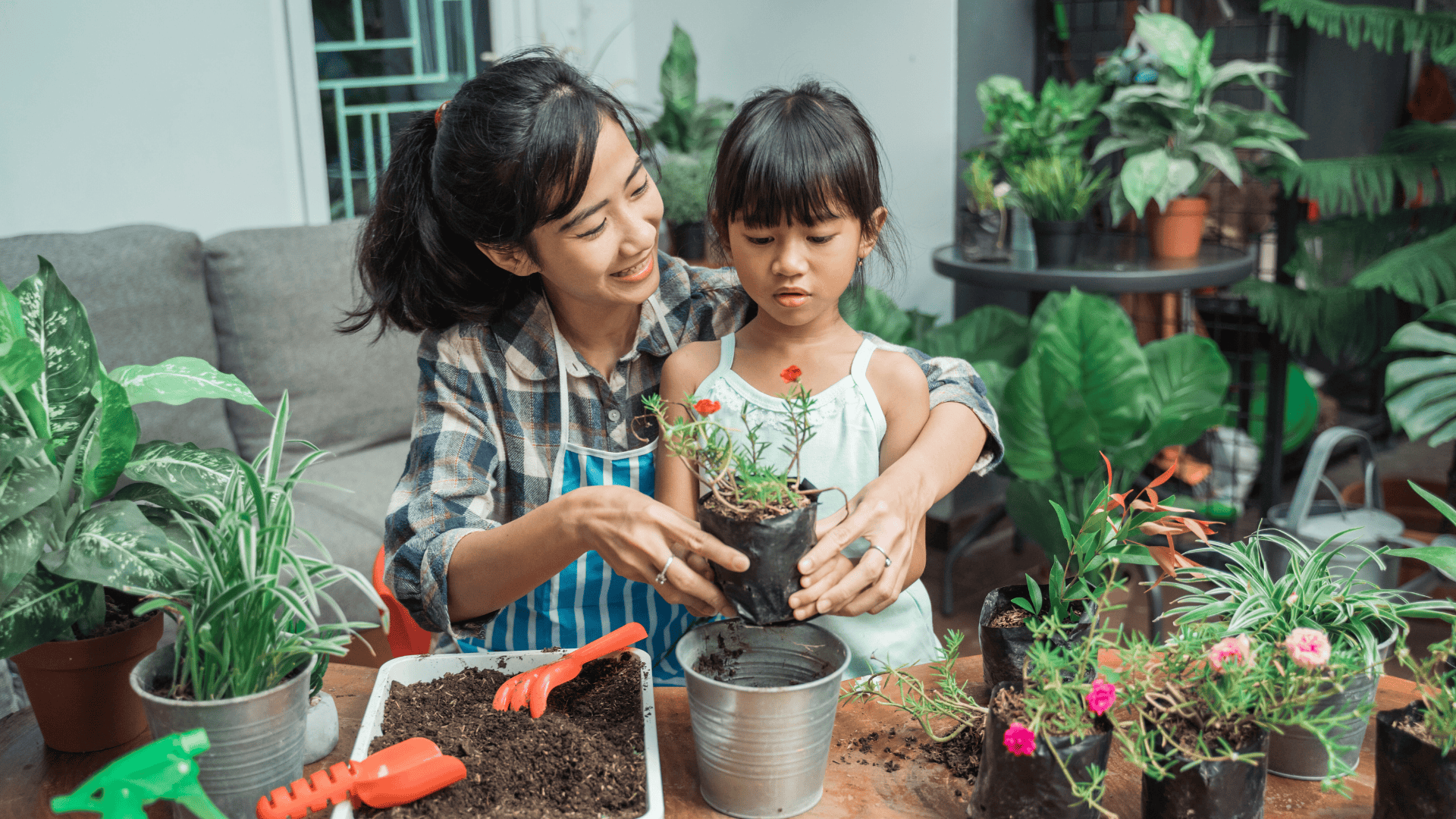
Assigning age-appropriate tasks encourages responsibility and learning. Children can water plants with small cans, help plant seeds, or pull weeds under supervision.
Create simple routines, like checking soil moisture or harvesting ripe vegetables. Use labelled tools sized for children to make tasks easier.
Turning chores into games, such as scavenger hunts to spot pests or different leaves, makes maintenance enjoyable. This hands-on involvement fosters attachment to the garden and teaches patience.
Sustainable Gardening Practices
Composting household waste reduces garden rubbish and enriches the soil naturally. A simple compost bin or heap in a corner keeps costs down and recycles nutrients.
Rainwater collection systems lower water bills and provide a chemical-free watering source. Mulching around plants retains soil moisture and prevents erosion.
Encouraging native plants supports local wildlife, requiring less water and fertiliser. Avoiding chemical pesticides protects children and beneficial insects alike.